

As the world of online gaming evolves, understanding the legal aspects surrounding platforms like BC FUN Legal BC Fun Legal becomes increasingly important for both players and developers. This article delves into the various legal considerations associated with online gaming, providing insights into user agreements, compliance regulations, and ethical gaming practices.
The Importance of Legal Frameworks in Online Gaming
Online gaming, including platforms like BC Fun, functions within a complex legal framework designed to ensure fair play, user protection, and compliance with local and international laws. This framework is vital for several reasons:
- User Protection: Legal regulations help safeguard players from fraud, abuse, and exploitation.
- Fair Play: Compliance with laws ensures that games are fair and equitable, promoting a positive gaming environment.
- Responsible Gaming: Legal guidelines encourage platforms to implement responsible gaming practices, helping users avoid gambling addiction.
Key Legal Considerations for Online Gaming Platforms
When examining the operations of online gaming platforms like BC Fun, several key legal considerations emerge:
Licensing and Regulation
Most jurisdictions require online gaming platforms to obtain licenses to operate legally. This licensing ensures that the platform adheres to strict regulatory standards concerning game fairness, user data protection, and financial transactions. Failure to obtain proper licensing can lead to severe penalties, including fines and closure of operations.
User Agreements
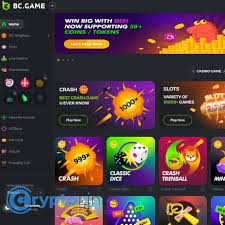
At the core of any online gaming platform is its user agreement, an essential legal document that outlines the terms and conditions of service. This agreement typically includes:
- User Rights and Responsibilities: Clear definitions of what is expected from users while engaging with the platform.
- Privacy Policies: Details on how user data is collected, stored, and used, ensuring compliance with data protection laws.
- Dispute Resolution: Procedures for addressing conflicts or complaints between users and the platform.
International Gaming Laws
The legal landscape for online gaming is not uniform and varies significantly by country. While some countries have embraced online gaming, others have imposed strict restrictions or outright bans. Understanding international gaming laws is essential for platforms seeking to operate globally.
Regulations in Key Markets
Several regions have established notable regulations regarding online gaming:
- United States: The regulations vary widely by state, with some states legalizing online gaming while others maintain prohibition. Additionally, the Federal Wire Act and the Unlawful Internet Gambling Enforcement Act (UIGEA) play significant roles in shaping the U.S. online gaming landscape.
- European Union: Generally more permissive, many EU countries have developed regulatory frameworks that allow for online gaming but also impose strict licensing requirements. The EU promotes competition while safeguarding consumer rights.
- Australia: The Interactive Gambling Act governs online gaming in Australia but has faced criticism for its limitations on gaming operators.
Responsible Gaming Practices
Legal frameworks advocate for responsible gaming as a means of promoting player welfare. Platforms, including BC Fun, are encouraged to integrate features that support responsible gaming practices, such as:
- Self-Exclusion Options: Allowing players to limit their gaming time or even take a break from gaming altogether.
- Deposit Limits: Enabling users to set financial limits on their deposits, which helps manage their gambling expenditures.
- Warning Systems: Implementing alerts that notify players when they exceed specific time or spending thresholds.
The Role of Regulatory Bodies
Regulatory bodies play a crucial role in overseeing the online gaming industry. These organizations are responsible for licensing gaming operators, ensuring compliance with laws, and protecting players. They regularly audit platforms, investigate complaints, and impose penalties for non-compliance.
Examples of Regulatory Bodies
Several noteworthy regulatory bodies include:
- Malta Gaming Authority (MGA): A respected regulatory authority that sets high standards for online gaming operations.
- UK Gambling Commission: Responsible for regulating remote gambling and ensuring that users are protected.
- New Jersey Division of Gaming Enforcement: An example of a state-level authority that governs online gaming in New Jersey, U.S.
Conclusion
Understanding the legal landscape of online gaming, particularly with platforms like BC Fun, is essential for both players and developers. With a robust legal framework, gaming can be a safe, fair, and enjoyable experience. As regulations continue to evolve, staying informed and complying with legal requirements will ensure a positive environment for all stakeholders.